Malabar food is one of the most celebrated regional cuisines in India, known for its rich flavors, aromatic spices, and unique blend of cultural influences. Originating from the Malabar Coast of northern Kerala, this cuisine reflects centuries of trade with Arab, Persian, Portuguese, and Dutch merchants. These interactions introduced new ingredients and cooking techniques that blended beautifully with Kerala’s local traditions. Today, Malabar cuisine is famous for its delicious biryanis, seafood delicacies, flavorful curries, and irresistible snacks, making it a favorite among food lovers across the world.
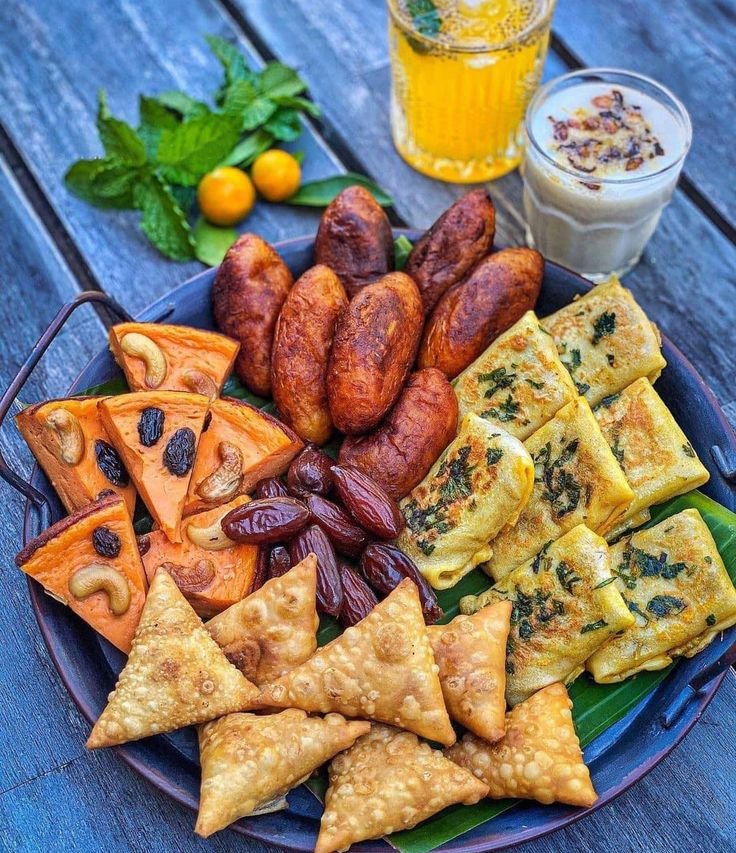
One of the defining characteristics of Malabar cuisine is its generous use of spices. Black pepper, cardamom, cinnamon, cloves, turmeric, fennel, and cumin are commonly used to create dishes that are aromatic rather than overwhelmingly spicy. Coconut is another essential ingredient, appearing in various forms such as grated coconut, coconut milk, and coconut oil. These ingredients provide a rich texture and distinct flavor that make Malabar dishes stand out from other Indian cuisines.
Perhaps the most iconic dish of the region is the famous Malabar Biryani. Unlike the Hyderabadi or Lucknowi versions, Malabar Biryani is prepared using fragrant Kaima rice, also known as Jeerakasala rice. This short-grain rice absorbs spices beautifully while remaining light and fluffy. The biryani is layered with marinated chicken, mutton, beef, or fish, along with caramelized onions, raisins, cashew nuts, and aromatic spices. Slow cooking allows the flavors to blend perfectly, resulting in a meal that is both rich and satisfying. It is commonly served during weddings, festivals, and family gatherings.
Seafood plays a vital role in Malabar cuisine due to the region’s long coastline along the Arabian Sea. Fresh fish, prawns, crabs, mussels, and squid are prepared in a variety of ways. Fish curry made with coconut milk and tamarind offers a perfect balance of tanginess and creaminess, while spicy fried fish seasoned with local spices is a popular choice for everyday meals. Prawn roast, squid roast, and mussel fry are also highly appreciated for their bold flavors and crispy textures.
Malabar is also known for its wide variety of breads. Among them, the soft and flaky Malabar Parotta is the most famous. Made from refined flour, oil, eggs, and water, the dough is stretched into thin layers before being folded and cooked on a hot griddle. The result is a crispy outer layer with a soft, layered interior. Parotta pairs wonderfully with beef curry, chicken curry, mutton stew, or vegetable kurma. Another popular bread is Pathiri, a thin rice flour flatbread that is soft, light, and commonly served with chicken curry or fish curry.
Breakfast in Malabar is equally delightful. Dishes such as Puttu, Appam, Idiyappam, and Ney Pathal are enjoyed by people of all ages. Puttu, made by steaming rice flour with grated coconut, is often served with black chickpea curry or ripe bananas. Appam, with its crispy edges and soft center, pairs perfectly with vegetable stew or chicken stew made with coconut milk. Idiyappam, also known as string hoppers, is another favorite breakfast option that complements spicy curries beautifully.
No discussion of Malabar food is complete without mentioning its delicious snacks. Unnakaya, made from ripe bananas stuffed with coconut, nuts, and raisins, is a traditional sweet treat. Pazham Nirachathu, another banana-based delicacy, is filled with coconut and dry fruits before being fried until golden brown. Kallummakkaya Nirachathu, or stuffed mussels, is a famous coastal specialty prepared by filling mussels with seasoned rice paste and spices before steaming and frying them. Samosas, cutlets, banana fritters, and spicy meat rolls are also commonly found in tea shops across the region.
Desserts are an important part of Malabar cuisine, especially during festive occasions like Eid. One of the most beloved desserts is Muttamala, a unique sweet made from egg yolks cooked into delicate golden strands and served with sweetened egg whites known as Pinjanathappam. Another traditional favorite is Ada Pradhaman, a rich payasam prepared with rice flakes, jaggery, coconut milk, and roasted coconut pieces. These desserts showcase the creativity and culinary expertise of Malabar cooks.
Hospitality holds a special place in Malabar culture. Guests are welcomed with warmth and generosity, and food is considered an expression of love and respect. Meals are often served on banana leaves, enhancing both the presentation and the traditional dining experience. Large family gatherings and celebrations feature elaborate feasts with multiple dishes, allowing everyone to enjoy the diverse flavors of the region.
The popularity of Malabar cuisine has spread far beyond Kerala. Restaurants specializing in Malabar dishes can now be found across India and in many countries with large Indian communities. Food lovers are drawn to its perfect balance of spices, fresh ingredients, and comforting flavors. Social media and food bloggers have further introduced Malabar cuisine to global audiences, inspiring many people to explore its rich culinary heritage.
In conclusion, Malabar food is much more than a regional cuisine—it is a reflection of history, culture, and tradition. From the aromatic Malabar Biryani and flaky parottas to flavorful seafood dishes and delightful desserts, every meal tells a story of centuries-old culinary excellence. Whether enjoyed in a small village home, a bustling street-side eatery, or a fine dining restaurant, Malabar cuisine offers an unforgettable experience for every food enthusiast. Its rich flavors, warm hospitality, and timeless traditions continue to make it one of India’s most treasured culinary treasures.