marketing
Marketing is one of the most important parts of any successful business. Whether a company is a small local shop, a growing startup, or a global corporation, marketing helps it communicate with customers, build its reputation, and increase sales. In today’s competitive world, having a good product or service is no longer enough. Businesses also need to understand their customers and communicate their value effectively.
At its core, marketing is about creating connections. It involves identifying what customers need, developing products or services that meet those needs, and communicating the benefits in a way that encourages people to take action.
What Is Marketing?
Marketing is the process of promoting and selling products or services while building relationships with customers. It includes activities such as market research, advertising, branding, content creation, social media, public relations, sales promotions, and customer engagement.
Traditional marketing methods include television advertisements, newspapers, magazines, billboards, brochures, direct mail, and radio. Although these methods are still useful, the rise of the internet has dramatically changed how businesses reach their audiences.
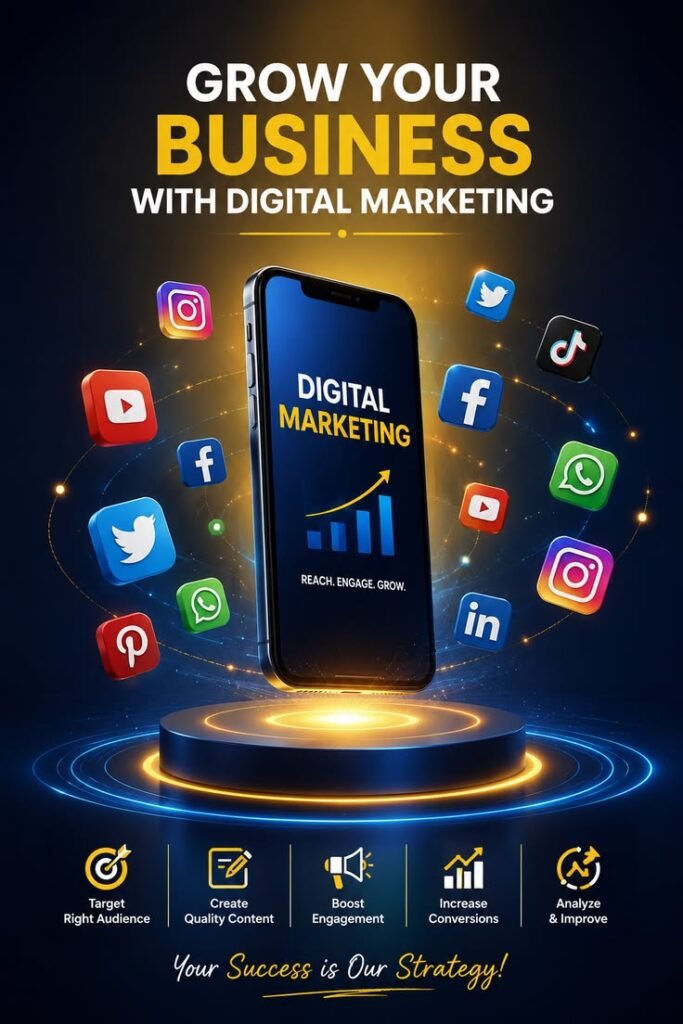
Digital marketing now allows businesses to connect with customers through websites, search engines, email, social media, mobile applications, and online advertising. This has made marketing more accessible, particularly for small businesses that may not have large advertising budgets.
Why Is Marketing Important?
Marketing plays several important roles in business.
First, it creates awareness. Customers cannot purchase a product if they do not know it exists. Effective marketing introduces a brand to potential customers and explains what makes its products or services valuable.
Second, marketing helps businesses understand their customers. Through research, surveys, reviews, analytics, and customer feedback, companies can learn about consumer preferences and changing market trends. This information can help businesses improve their products and make better decisions.
Third, marketing helps businesses build a brand. A brand is more than a logo or company name. It represents the personality, values, reputation, and experience associated with a business. Consistent marketing can help create a recognizable and trustworthy identity.
Finally, marketing supports sales and growth. By reaching the right people with the right message, businesses can attract potential customers and turn them into paying customers.
The Rise of Digital Marketing
The internet has transformed the marketing industry. Today, consumers spend significant amounts of time online researching products, comparing prices, reading reviews, and interacting with brands.
One of the most important forms of digital marketing is search engine optimization (SEO). SEO involves improving online content so that it can appear more prominently in search engine results. When people search for information, products, or services, a strong search presence can help businesses attract relevant visitors.
Social media marketing is another powerful tool. Platforms such as Instagram, Facebook, LinkedIn, TikTok, and YouTube allow businesses to communicate directly with their audiences. Companies can share educational content, product demonstrations, customer stories, announcements, and entertaining posts.
Content marketing focuses on providing useful and relevant information rather than simply advertising a product. Blog articles, videos, podcasts, guides, newsletters, and infographics can help businesses demonstrate expertise and build trust with potential customers.
Email marketing also remains valuable. Businesses can use email to share news, special offers, educational content, product recommendations, and personalized messages with subscribers.
Understanding the Target Audience
One of the biggest mistakes a business can make is trying to market to everyone. Successful marketing begins with identifying a specific target audience.
A target audience may be defined by factors such as age, location, income, occupation, interests, lifestyle, purchasing behavior, or specific problems they want to solve.
For example, a company selling premium fitness equipment may focus on fitness enthusiasts and health-conscious consumers rather than the entire population. Understanding this audience allows the company to create more relevant messages and choose the most effective marketing channels.
Good marketing asks important questions: Who are our customers? What problems do they have? What motivates them to buy? Where do they spend their time? What information do they need before making a decision?
The better a company understands its customers, the more effectively it can communicate with them.
The Importance of Creativity
Marketing is not only about data and strategy. Creativity is equally important.
Consumers are exposed to thousands of marketing messages every day. A creative campaign can capture attention and make a brand memorable. Strong visuals, compelling stories, humor, emotional connections, and unique ideas can help businesses stand out from competitors.
However, creativity should always support a clear purpose. An advertisement may be entertaining, but if customers cannot understand what the business offers or why they should care, the campaign may not be effective.
The best marketing combines creativity with a clear understanding of the audience and business objectives.
Measuring Marketing Success
Modern marketing provides businesses with many ways to measure performance. Companies can track website traffic, social media engagement, email open rates, leads, conversions, sales, customer retention, and return on advertising investment.
This data allows marketers to determine what is working and what needs improvement.
For example, if an online advertisement receives thousands of views but generates very few sales, the business may need to change its message, targeting, offer, or landing page. Marketing is therefore not a one-time activity. It is an ongoing process of testing, learning, and improving.
The Future of Marketing
Marketing will continue to evolve as technology and consumer behavior change. Artificial intelligence, automation, personalization, data analytics, video content, and emerging digital platforms are already influencing the industry.
However, one principle will remain important: customers want businesses to understand their needs and provide genuine value.
Technology can help companies reach people faster, but successful marketing still depends on trust, relevance, creativity, and strong customer relationships.
Conclusion
Marketing is much more than advertising. It is a strategic process that helps businesses understand customers, communicate their value, build strong brands, and achieve sustainable growth.
From traditional advertising to social media, SEO, content marketing, and email campaigns, businesses have more ways than ever to connect with their audiences. The most successful companies are those that combine effective strategies with creativity, customer understanding, and continuous improvement.
In a competitive marketplace, marketing gives businesses the opportunity to tell their story, demonstrate their value, and build lasting relationships with the people they serve. Ultimately, effective marketing is not simply about convincing someone to buy—it is about creating a meaningful connection that encourages customers to choose, trust, and return to a brand.